



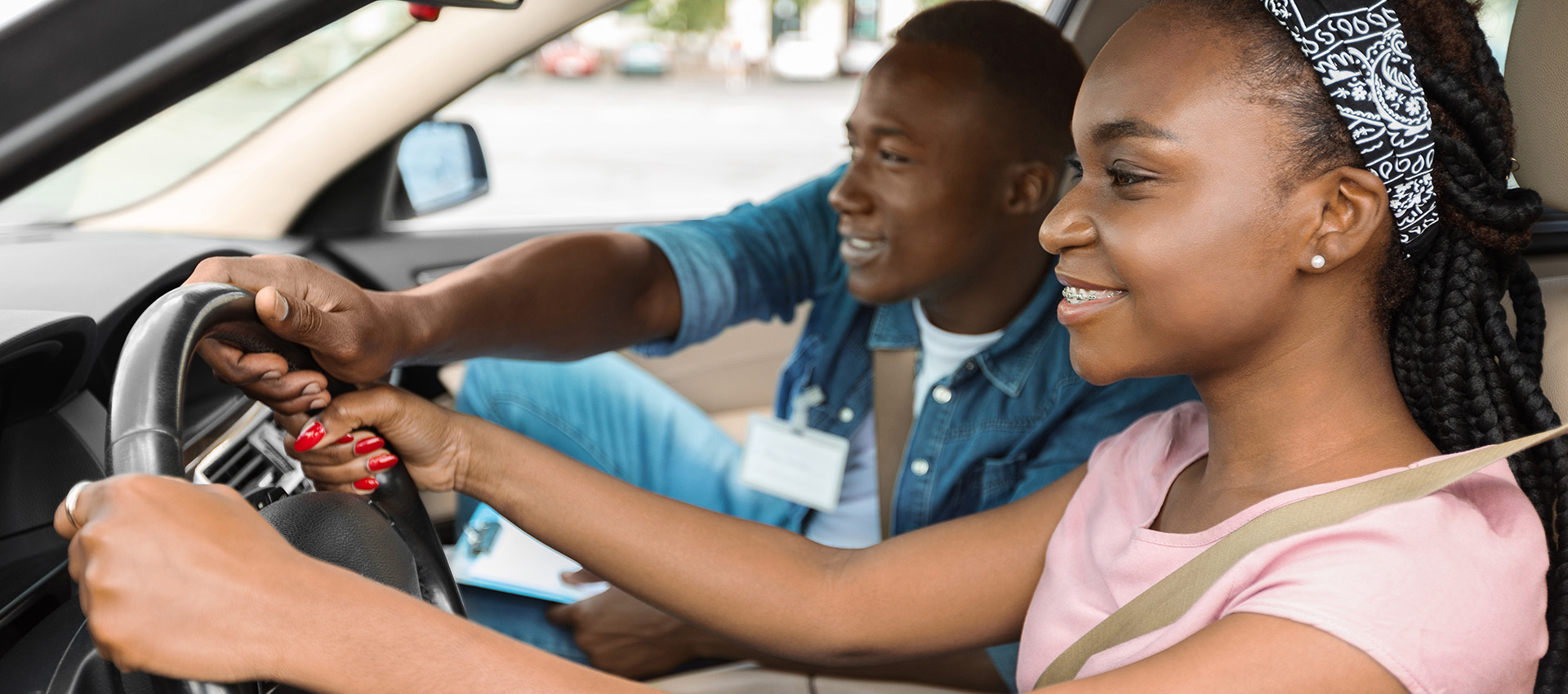
Driving in Nigeria requires more than skill. It requires patience, awareness, and defensive thinking. A defensive driver does not simply assume that other road users will do the right thing. Instead, they stay alert, expect possible risks, and make safe decisions early.
The FRSC describes its role as making Nigerian roads safer through education, enforcement, and emergency response. As drivers, we also have a personal role to play in creating safer roads.
What Is Defensive Driving?
Defensive driving means driving in a way that helps you avoid accidents, even when other people make mistakes.
It means asking yourself:
- What could go wrong here?
- Is that driver about to change lanes?
- Could a pedestrian suddenly cross?
- Is there a pothole ahead?
- Is the vehicle behind me too close?
- Do I have enough space to stop safely?
A defensive driver thinks ahead.
1. Expect the Unexpected
On Nigerian roads, anything can happen quickly. A bus may stop suddenly. A motorcycle may squeeze through traffic. A pedestrian may cross without warning. A vehicle may drive against traffic.
Do not drive as if everyone will obey the rules. Drive with alertness.
2. Keep Your Eyes Moving
Do not stare only at the car in front of you. Look ahead, check mirrors, scan side roads, observe pedestrians, and monitor vehicles behind you.
The earlier you see danger, the more time you have to respond.
3. Maintain Safe Distance
Tailgating is dangerous. If the vehicle ahead stops suddenly, you may not have enough time to brake.
Leave enough space between your vehicle and the one in front. In rain, traffic, or bad road conditions, increase the distance.
4. Be Careful Around Commercial Vehicles
Buses, trucks, taxis, tricycles, and motorcycles often make sudden stops or lane changes. Give them space and avoid driving in their blind spots.
Large vehicles need more room to turn and stop.
5. Slow Down in Rain
Rain reduces visibility and makes roads slippery. Slow down, turn on your lights, increase following distance, and avoid sudden braking.
If visibility becomes poor, find a safe place to stop.
6. Avoid Road Rage
Some drivers will insult, block, rush, or intimidate others. Do not respond with aggression. Road rage can turn a small issue into a serious accident or conflict.
A mature driver stays calm.
7. Check Your Vehicle Before Driving
Before entering traffic, check your tyres, brakes, lights, mirrors, fuel, and wipers. Defensive driving starts before the engine is turned on.
8. Be Extra Careful at Junctions and Roundabouts
Many accidents happen at intersections. Slow down, observe carefully, and do not assume another driver will stop.
At roundabouts, be patient and enter only when it is safe.
Final Thoughts
Defensive driving is one of the most important skills every Nigerian driver should learn. It protects you, your passengers, your vehicle, and other road users.